Source Casting Rebar Tie Hook for Construction, Agriculture, Industry
Explore 30 options for casting rebar tie hook to compare specifications like material, size, and customization. Buyers can evaluate features such as double twist methods, surface treatments, and packaging for construction, agriculture, and industrial applications.
Key considerations
Products List


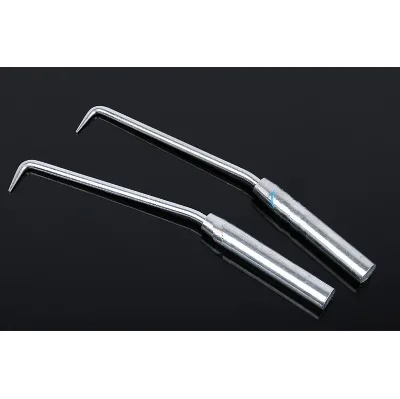


Comprehensive Sourcing Guide
Strategic Sourcing Guide for Casting Rebar Tie Hooks
The global construction and infrastructure sectors rely heavily on efficient reinforcement techniques, with the casting rebar tie hook serving as a critical component in securing steel reinforcement bars before concrete pouring. For procurement professionals, navigating the market for these specialized tools requires a disciplined approach that balances technical precision with supply chain reliability. The following guide synthesizes available product data and industry best practices to provide a comprehensive framework for sourcing high-quality casting rebar tie hooks. Buyers must distinguish between general metal hooks and specialized tools designed specifically for the rigors of rebar tying, ensuring that the selected equipment meets the exact demands of the project environment.
Technical Specifications and Material Composition
Understanding the material composition and physical specifications of casting rebar tie hooks is the first step in a successful procurement strategy. The core functionality of these tools depends on their ability to withstand significant mechanical stress without deforming or breaking during the twisting process. Based on available product data, the primary material for these components is often identified as Low-Carbon Iron Wire or general Metal, with specific mentions of Iron Steel and Stainless Steel variants. The choice of material directly influences the tool's durability, corrosion resistance, and suitability for different environmental conditions.
When evaluating technical specifications, buyers should look for specific model identifiers that denote the tool's intended use. For instance, product listings often reference specific model numbers such as HLD-BT-005, HLD-BT-003, or CFMS-188. These codes are not merely administrative; they often correlate with specific dimensions and functional capabilities. Dimensions are a critical factor, with standard sizes including 24cm and 26cm for solid steel bar hooks. The shape of the hook is equally important, with "Single Hook" configurations being common for specific tying applications. Furthermore, the surface treatment plays a vital role in longevity; options such as Black, Hot DIP Galvanized, or PVC coating are available to protect the metal from rust and corrosion, particularly in outdoor construction sites where exposure to moisture is inevitable.
The manufacturing process also dictates the final quality of the tool. The "Double Twist" method is a specific attribute observed in related products, indicating a robust construction technique that enhances the structural integrity of the tie wire mechanism. While some products are described as "Solid steel bar hook," others may be categorized under broader terms like "Bag Tie Wire Twister." It is essential for buyers to verify that the specific model number aligns with the physical dimensions required for their rebar diameter. Customization is a frequently available attribute, allowing suppliers to tailor the "Dimension" of the hook to specific project requests, ensuring a perfect fit for non-standard reinforcement layouts.
Compliance, Certification, and Quality Standards
In the B2B procurement of construction tools, compliance with international standards is non-negotiable. While specific certification statuses must be verified on a case-by-case basis, the industry standard for quality management systems often cited in this sector is ISO9001: 2008. This standard ensures that the manufacturing process adheres to rigorous quality control protocols, from raw material selection to final packaging. Buyers should explicitly request evidence of such certifications to confirm that the supplier maintains a consistent level of quality across production batches.
Inspection protocols are another critical area of compliance. High-quality suppliers utilize "Professional Measuring and Testing Devices" to verify the dimensions and structural integrity of the hooks before they leave the factory. This step is crucial for preventing the distribution of defective tools that could compromise the safety of a construction project. The "Condition" of the product is typically listed as "New," but buyers must ensure that the inspection process validates this claim through physical testing rather than just visual assessment.
Furthermore, the origin of the product is a significant factor in compliance and logistics. Most of the available data points to "China" as the place of origin, with specific regions like Guangdong and Qingdao being prominent manufacturing hubs. While the "Brand Name" may vary, with options ranging from "Original brand" to specific names like "Chifine," the lack of a universal brand does not diminish the importance of verifying the supplier's adherence to safety standards. Buyers should also be aware of the "prod_standard" which may be listed as "Loop Tie Wire" or simply "standard," requiring clarification to ensure it matches the specific project requirements.
Cost Drivers and Pricing Dynamics
The pricing of casting rebar tie hooks is influenced by a complex interplay of factors, including material costs, manufacturing complexity, and order volume. The observed price range in the market spans from 0 to 800 USD, a wide spectrum that reflects the diversity of product types, from simple manual hooks to more complex automated systems. This variance underscores the importance of defining the exact specifications before requesting a quote. A simple "Single Hook" made of basic iron steel will naturally cost significantly less than a customized, stainless steel, or PVC-coated version designed for heavy-duty industrial use.
The Minimum Order Quantity (MOQ) is another primary driver of cost. The observed MOQ range is extensive, spanning from 1 to 10,000 units. For small-scale contractors or pilot projects, suppliers offering low MOQs are essential, allowing for the acquisition of necessary tools without excessive capital outlay. Conversely, large-scale infrastructure projects can leverage high-volume orders to negotiate better unit prices, often benefiting from economies of scale. The "Selling Units" are typically listed as "Single item," but bulk purchasing agreements can significantly alter the effective cost per unit.
Packaging and logistics also contribute to the final cost. Products may be shipped on "Pallets," in "Cartons," or within "Wooden Cases," depending on the order size and the fragility of the items. The choice of packaging affects shipping costs and the risk of damage during transit. Additionally, the "Surface Treatment" such as polishing or galvanizing adds to the production cost but is often necessary for long-term durability. Buyers must balance the upfront cost against the total cost of ownership, considering factors like replacement frequency and maintenance requirements.
Typical Applications and Usage Scenarios
Casting rebar tie hooks are versatile tools designed for a wide array of applications across multiple industries. The primary usage is in the construction sector, specifically for "Tying The Steel Bar" in concrete reinforcement. The "Application" field often lists "Household" and "Industrial" uses, but the specific context for rebar hooks is predominantly industrial construction, including building foundations, bridges, and high-rise structures. The "Kind" of tool can be either "Manual or Automatic," allowing for flexibility based on the scale and speed requirements of the project.
Beyond standard construction, these tools find applications in "Automobile," "Agriculture," and "Machinery" sectors, as indicated by product descriptions. In these contexts, the hooks may be used for securing components or managing wire bundles in manufacturing processes. The "Product Name" variations, such as "Cast Iron Hooks" or "Bag Tie Wire Twister," suggest that the same fundamental technology is adapted for different tasks. For instance, a "Solid steel bar hook" might be used for heavy-duty rebar, while a "White solid steel bar hook" could be designated for lighter, perhaps indoor or aesthetic applications.
The "Usage" is strictly defined by the physical demands of the task. Industrial applications require tools that can withstand high torque and repetitive use without failure. The "Shape" of the hook, whether "Round" or "Single," must be matched to the specific rebar configuration. Buyers should assess the specific "More details" of their project, as standard hooks may not suffice for complex geometries. The ability to customize the "Dimension" is particularly valuable in scenarios where standard sizes do not align with the project's unique engineering requirements.
Supplier Evaluation and Sourcing Strategy
Evaluating suppliers for casting rebar tie hooks requires a multi-faceted approach that goes beyond price comparison. The "Export Markets" for these products are "Global," indicating a competitive international marketplace. Buyers should prioritize suppliers who demonstrate transparency in their "prod_origin" and "Shipping Port" options, such as Qingdao, Ningbo, and Shanghai. These ports are major hubs for Chinese exports, suggesting established logistics networks that can facilitate timely delivery.
Supplier reliability is often reflected in their "prod_packing" standards. Options like "Pallet," "Wooden Case," or "Carton" indicate different levels of care in handling the products. A supplier offering "Wooden Case" packaging for heavy-duty tools demonstrates a commitment to protecting the product during transit, which is a positive indicator of their overall quality standards. Additionally, the availability of "Customization" services is a key differentiator. Suppliers who can accommodate specific requests for "Dimension" or "Surface Treatment" are better positioned to meet the unique needs of large-scale projects.
The "Brand Name" may vary, but the presence of a recognizable brand or a clear "Original brand" designation can provide some assurance of quality. However, buyers should not rely solely on branding. Instead, they should verify the supplier's capacity to meet "Inspection" requirements and their adherence to "prod_standard" protocols. The "Condition" of the product being "New" is a baseline requirement, but the supplier's track record in delivering new, defect-free products is the true measure of their reliability.
Quality Control and Long-Term Procurement Considerations
Quality control is the backbone of a successful procurement strategy for construction tools. The "Inspection" process should be rigorous, utilizing "Professional Measuring and Testing Devices" to ensure that every hook meets the specified "Dimension" and "Shape" requirements. Buyers should request detailed inspection reports to verify that the "Material" is indeed "Low-Carbon Iron Wire" or "Stainless Steel" as claimed, and that the "Surface Treatment" provides the necessary corrosion resistance.
Long-term procurement considerations involve looking beyond the initial purchase. The "Weight" of the tool, which can be "Customized," affects the ergonomics and fatigue levels of the workers using the tools. A well-balanced hook can significantly improve productivity and reduce the risk of workplace injuries. Furthermore, the "Polish" and "Surface Treatment" options like "Hot DIP Galvanized" or "PVC" are critical for the tool's lifespan. In harsh environments, these treatments prevent rust and extend the usable life of the hook, reducing the frequency of replacement and the associated costs.
Buyers should also consider the "Standard" of the product, ensuring it aligns with international norms like ISO9001: 2008. This alignment ensures that the supplier has a robust quality management system in place. The "More details" section in product listings often invites buyers to "contact us," which is an opportunity to discuss specific project requirements and negotiate terms that benefit both parties. By focusing on these long-term factors, buyers can secure a reliable supply of high-quality casting rebar tie hooks that support the efficiency and safety of their construction projects.
Comparative Analysis of Product Attributes
To facilitate decision-making, the following table summarizes key attributes observed in the market for casting rebar tie hooks. This comparison highlights the diversity of options available and assists buyers in matching product specifications to their specific project needs.
| Attribute | Observation / Range | Relevance to Procurement |
|---|---|---|
| Material | Low-Carbon Iron Wire, Metal, Iron Steel, Stainless Steel | Determines durability and corrosion resistance. |
| Model Number | HLD-BT-005, HLD-BT-003, CFMS-188, XJY-wire twister tools | Identifies specific dimensions and functional capabilities. |
| Dimensions | 24cm, 26cm, Customized | Must match rebar diameter and project requirements. |
| Surface Treatment | Black, Hot DIP Galvanized, PVC, Polishing | Critical for longevity in outdoor or harsh environments. |
| Shape | Single Hook, Round | Affects ease of use and specific tying applications. |
| Packaging | Pallet, Carton, Wooden Case | Influences shipping costs and product protection. |
| Origin | China (Guangdong, Qingdao) | Indicates logistics hubs and potential lead times. |
| Standard | ISO9001: 2008, Loop Tie Wire, Standard | Ensures quality management and safety compliance. |
| MOQ | 1 - 10,000 | Impacts initial capital investment and inventory management. |
| Price Range | 0 - 800 USD | Reflects material quality, customization, and volume. |
This comparative analysis underscores the need for buyers to carefully evaluate each attribute against their project specifications. By doing so, they can ensure that the selected casting rebar tie hooks meet the rigorous demands of modern construction and industrial applications.
FAQs
What materials are used for casting rebar tie hooks?
These hooks are primarily made from Low-Carbon Iron Wire, Metal, Iron Steel, or Stainless Steel. Buyers can select specific materials based on durability needs, with options including Black, Hot DIP Galvanized, or PVC finishes for corrosion resistance.
Which dimensions are available for solid steel bar hooks?
Standard dimensions include 24cm and 26cm solid steel bar hooks. Customization is available to adjust the dimension for specific project requests, ensuring the tool fits the exact rebar diameter required for the construction application.
Can I find hooks with ISO9001 certification?
Yes, some products adhere to the ISO9001: 2008 standard for quality management. Buyers should verify inspection protocols using professional measuring devices to ensure the new condition and structural integrity meet the required project safety standards.
How are these hooks packaged for shipping?
Packaging options include Pallets, Wooden Cases, or Cartons depending on the order size. Suppliers often allow custom packaging requests to protect the tools during transit, ensuring they arrive in new condition for industrial or household use.
What is the minimum order quantity for these tools?
The minimum order quantity ranges from 1 to 10,000 units depending on the supplier. This flexibility allows small contractors to purchase single items while large infrastructure projects can leverage bulk orders for better pricing and logistics efficiency.
Where are these products manufactured?
Products originate from China, specifically from regions like Guangdong and Qingdao. Major shipping ports include Qingdao, Ningbo, and Shanghai, facilitating global export markets for these construction tools and ensuring reliable supply chain logistics.
Are customization options available for specifications?
Customization is available for dimensions, surface treatment, and weight to meet specific project needs. Buyers can request tailored solutions such as specific hook shapes or specialized coatings to ensure the tool performs effectively in various industrial environments.